
Gluten-Free Vanilla Eggless Cake: The Perfect Treat for Your Next Party
Gluten-Free Vanilla Eggless Cake: The Perfect Treat for Your Next Party
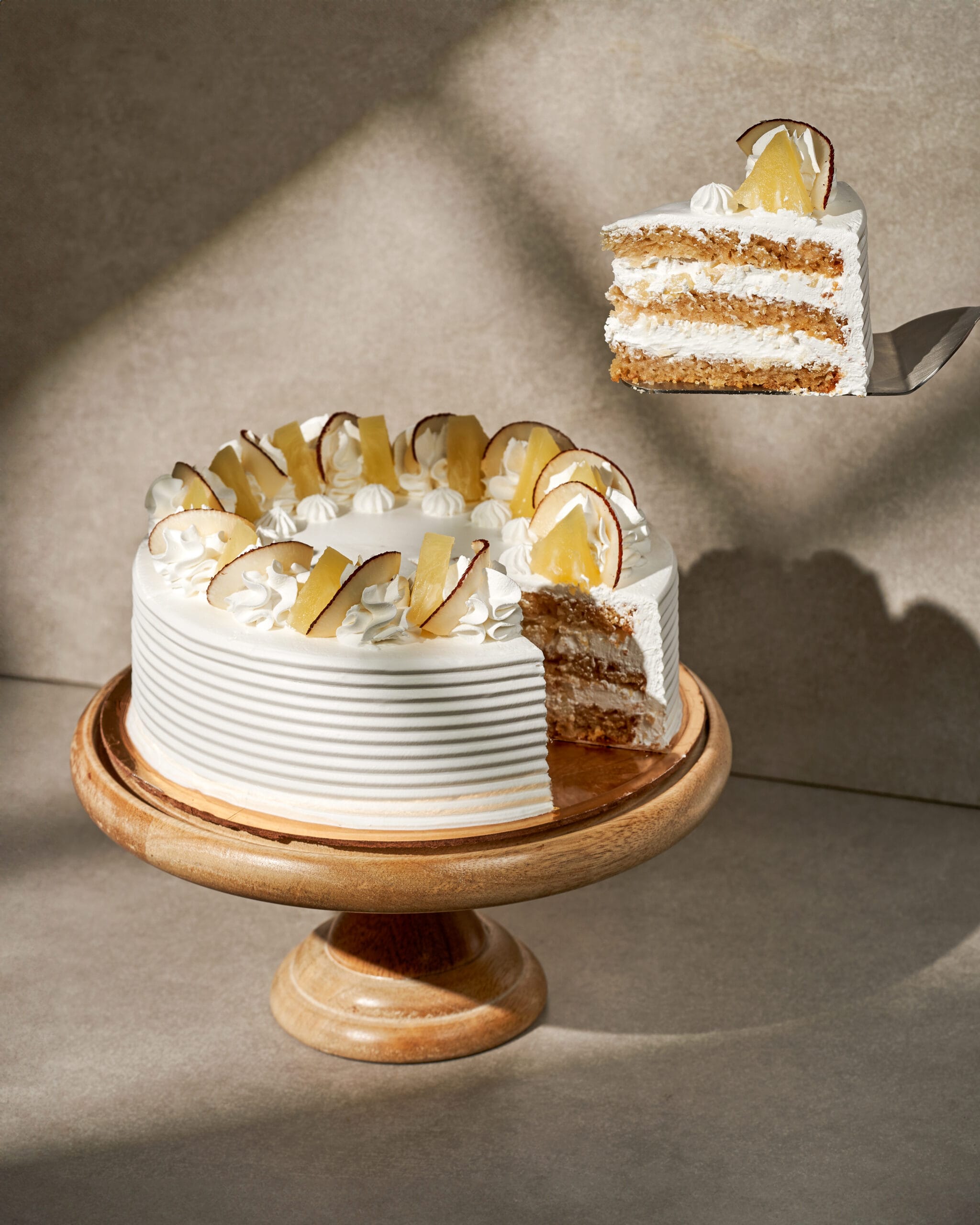
As a party host, you want to ensure that all your guests have a wonderful time, including those with dietary restrictions. One of the most common dietary restrictions is gluten intolerance or sensitivity, and another is egg allergies or veganism. But don’t worry, we’ve got you covered! Today, we’re sharing a recipe for a delicious Gluten-Free Vanilla Eggless Cake that’s perfect for parties.
The Challenge of Eggless Cakes
Baking an eggless cake can be a bit tricky, as eggs play a crucial role in traditional cake recipes. They provide moisture, richness, and structure to the cake. But with a little creativity and experimentation, you can create an eggless cake that’s just as delicious and moist as a traditional one.
Why Gluten-Free and Eggless?
Gluten-free and eggless cakes are a great option for parties because they cater to a wider range of guests. Whether you have guests with gluten intolerance, egg allergies, or vegan dietary preferences, this cake is a great option. Plus, it’s a thoughtful way to show your guests that you care about their dietary needs.
The Recipe: Gluten-Free Vanilla Eggless Cake
Here’s the recipe for our Gluten-Free Vanilla Eggless Cake:
Ingredients:
1 1/2 cups almond flour
1/2 cup coconut sugar
1/2 cup unsweetened applesauce
1/2 cup canola oil
2 teaspoons vanilla extract
1/2 teaspoon baking powder (gluten-free)
1/4 teaspoon salt
1 cup non-dairy milk (such as almond or soy milk)
Instructions:
1. Preheat your oven to 350°F (180°C). Grease two 8-inch round cake pans and line the bottoms with parchment paper.
2. In a large mixing bowl, whisk together the almond flour, coconut sugar, baking powder, and salt.
3. In a separate bowl, whisk together the applesauce, oil, and vanilla extract.
4. Add the non-dairy milk to the applesauce mixture and whisk until well combined.
5. Pour the wet ingredients into the dry ingredients and mix until smooth.
6. Divide the batter evenly between the two prepared pans and smooth the tops.
7. Bake for 25-30 minutes, or until a toothpick inserted into the center of each cake comes out clean.
8. Remove the cakes from the oven and let them cool in the pans for 5 minutes.
9. Transfer the cakes to a wire rack to cool completely.
Tips and Variations
To ensure that your cake is light and fluffy, make sure to not overmix the batter.
If you prefer a stronger vanilla flavor, you can add an extra teaspoon of vanilla extract.
You can replace the applesauce with another eggless substitute, such as mashed banana or silken tofu.
To make a chocolate cake, simply add 1/2 cup of cocoa powder to the dry ingredients.
The Benefits of Gluten-Free Baking
Gluten-free baking has become increasingly popular in recent years, and for good reason. Gluten is a protein found in wheat, barley, and rye that can cause inflammation and discomfort in some people. By using gluten-free flours, you can create baked goods that are more accessible to a wider range of people.
The Benefits of Eggless Baking
Eggless baking is also a great option for parties, as it caters to guests with egg allergies or vegan dietary preferences. Eggs are a common allergen, and by using eggless substitutes, you can create baked goods that are safe for everyone to enjoy.
Eggless Substitutes: A Guide
If you’re new to eggless baking, you may be wondering what substitutes to use. Here’s a quick guide:
Applesauce: Use 1/4 cup of applesauce to replace one egg.
Mashed banana: Use 1/4 cup of mashed banana to replace one egg.
Silken tofu: Use 1/4 cup of silken tofu to replace one egg.
Flaxseed: Mix 1 tablespoon of ground flaxseed with 3 tablespoons of water to replace one egg.
Gluten-Free Flours: A Guide
If you’re new to gluten-free baking, you may be wondering what flours to use. Here’s a quick guide:
Almond flour: A popular gluten-free flour made from ground almonds.
Coconut flour: A gluten-free flour made from dried coconut.
Rice flour: A gluten-free flour made from white or brown rice.
Quinoa flour: A gluten-free flour made from quinoa grains.
Decorating Your Cake
Once your cake is baked and cooled, it’s time to decorate! You can use a variety of toppings, such as:
Fresh fruit: Sliced strawberries, blueberries, or raspberries make a delicious and healthy topping.
Whipped cream: A dairy-free whipped cream made from non-dairy milk is a great option.
Chocolate shavings: Shave dark or milk chocolate over the top of the cake for a decadent look.
Conclusion
Our Gluten-Free Vanilla Eggless Cake is the perfect treat for your next party. With its moist and delicious texture, it’s sure to impress your guests. Plus, it’s a thoughtful way to cater to guests with dietary restrictions. Whether you’re gluten-free, eggless, or vegan, this cake is a great option. So go ahead, give it a try, and enjoy the praise from your guests!
FAQs
Q: Can I make this cake with regular flour?
A: Yes, you can make this cake with regular flour, but keep in mind that it will not be gluten-free.
Q: Can I use eggs instead of applesauce?
A: Yes, you can use eggs instead of applesauce, but keep in mind that it will not be eggless.
Q: How do I store this cake?
A: Store this cake in an airtight container at room temperature for up to 3 days.
Share Your Experience!
We’d love to hear from you! Have you tried making an eggless or gluten-free cake before? What was your experience like? Share your tips and tricks in the comments below!
Get Social!
Follow us on social media for more recipe ideas, baking tips, and behind-the-scenes peeks into our kitchen:
Facebook: [Your Facebook page]
Instagram: [Your Instagram handle]
Pinterest: [Your Pinterest handle]
Happy baking!As a party host, you want to ensure that all your guests have a wonderful time, including those with dietary restrictions. One of the most common dietary restrictions is gluten intolerance or sensitivity, and another is egg allergies or veganism. But don’t worry, we’ve got you covered! Today, we’re sharing a recipe for a delicious Gluten-Free Vanilla Eggless Cake that’s perfect for parties.
The Challenge of Eggless Cakes
Baking an eggless cake can be a bit tricky, as eggs play a crucial role in traditional cake recipes. They provide moisture, richness, and structure to the cake. But with a little creativity and experimentation, you can create an eggless cake that’s just as delicious and moist as a traditional one.
The Science Behind Eggless Cakes
When baking an eggless cake, it’s essential to understand the role eggs play in traditional recipes. Eggs serve several functions:
Moisture: Eggs contribute to the overall moisture content of the cake.
Emulsification: Eggs help to emulsify the ingredients, binding them together.
Leavening: Eggs help to incorporate air and create a light, fluffy texture.
Structure: Eggs provide structure and help to hold the cake together.
To replicate these functions in an eggless cake, you can use a combination of ingredients, such as:
Applesauce: Provides moisture and helps to bind the ingredients together.
Mashed banana: Adds moisture and natural sweetness.
Silken tofu: Contributes to the moisture and texture of the cake.
Flaxseed: Helps to bind the ingredients together and add structure.
Why Gluten-Free and Eggless?
Gluten-free and eggless cakes are a great option for parties because they cater to a wider range of guests. Whether you have guests with gluten intolerance, egg allergies, or vegan dietary preferences, this cake is a great option. Plus, it’s a thoughtful way to show your guests that you care about their dietary needs.
The Benefits of Gluten-Free Baking
Gluten-free baking has become increasingly popular in recent years, and for good reason. Gluten is a protein found in wheat, barley, and rye that can cause inflammation and discomfort in some people. By using gluten-free flours, you can create baked goods that are more accessible to a wider range of people.
Some benefits of gluten-free baking include:
Increased accessibility: Gluten-free baked goods can be enjoyed by people with gluten intolerance or sensitivity.
Reduced inflammation: Gluten-free flours can help to reduce inflammation and discomfort in some people.
Variety: Gluten-free flours offer a range of flavors and textures, making it easy to create delicious and unique baked goods.
The Benefits of Eggless Baking
Eggless baking is also a great option for parties, as it caters to guests with egg allergies or vegan dietary preferences. Eggs are a common allergen, and by using eggless substitutes, you can create baked goods that are safe for everyone to enjoy.
Some benefits of eggless baking include:
Increased safety: Eggless baked goods are safe for guests with egg allergies or vegan dietary preferences.
Variety: Eggless substitutes offer a range of flavors and textures, making it easy to create delicious and unique baked goods.
Environmental benefits: Eggless baking can be a more sustainable option, as it reduces the demand for eggs and supports more environmentally friendly farming practices.
The Recipe: Gluten-Free Vanilla Eggless Cake
Here’s the recipe for our Gluten-Free Vanilla Eggless Cake:
Ingredients:
1 1/2 cups almond flour
1/2 cup coconut sugar
1/2 cup unsweetened applesauce
1/2 cup canola oil
2 teaspoons vanilla extract
1/2 teaspoon baking powder (gluten-free)
1/4 teaspoon salt
1 cup non-dairy milk (such as almond or soy milk)
Instructions:
1. Preheat your oven to 350°F (180°C). Grease two 8-inch round cake pans and line the bottoms with parchment paper.
2. In a large mixing bowl, whisk together the almond flour, coconut sugar, baking powder, and salt.
3. In a separate bowl, whisk together the applesauce, oil, and vanilla extract.
4. Add the non-dairy milk to the applesauce mixture and whisk until well combined.
5. Pour the wet ingredients into the dry ingredients and mix until smooth.
6. Divide the batter evenly between the two prepared pans and smooth the tops.
7. Bake for 25-30 minutes, or until a toothpick inserted into the center of each cake comes out clean.
8. Remove the cakes from the oven and let them cool in the pans for 5 minutes.
9. Transfer the cakes to a wire rack to cool completely.
Tips and Variations
To ensure that your cake is light and fluffy, make sure to not overmix the batter.
If you prefer a stronger vanilla flavor, you can add an extra teaspoon of vanilla extract.
You can replace the applesauce with another eggless substitute, such as mashed banana or silken tofu.
To make a chocolate cake, simply add 1/2 cup of cocoa powder to the dry ingredients.
Gluten-Free Flours: A Guide
If you’re new to gluten-free baking, you may be wondering what flours to use. Here’s a quick guide:
Almond flour: A popular gluten-free flour made from ground almonds.
Coconut flour: A gluten-free flour made from dried coconut.
Rice flour: A gluten-free flour made from white or brown rice.
Quinoa flour: A gluten-free flour made from quinoa grains.
Eggless Substitutes: A Guide
If you’re new to eggless baking, you may be wondering what substitutes to use. Here’s a quick guide:
Applesauce: Use 1/4 cup of applesauce to replace one egg.
Mashed banana: Use 1/4 cup of mashed banana to replace one egg.
Silken tofu: Use 1/4 cup of silken tofu to replace one egg.
Flaxseed: Mix 1 tablespoon of ground flaxseed with 3 tablespoons of water to replace one egg.
Decorating Your Cake
Once your cake is baked and cooled, it’s time to decorate! You can use a variety of toppings, such as:
Fresh fruit: Sliced strawberries, blueberries, or raspberries make a delicious and healthy topping.
Whipped cream: A dairy-free whipped cream made from non-dairy milk is a great option.
Chocolate shavings: Shave dark or milk chocolate over the top of the cake for a decadent look.
Common Mistakes to Avoid
When baking an eggless or gluten-free cake, there are a few common mistakes to avoid:
Overmixing: Overmixing can result in a dense and tough cake.
Underbaking: Underbaking can result in a cake that’s too moist and fragile.
Using the wrong flours: Using the wrong flours can result in a cake that’s too dense or too crumbly.
Troubleshooting Tips
If your cake doesn’t turn out as expected, here are a few troubleshooting tips:
Check your ingredients: Make sure you’re using the right ingredients and measurements.
Check your oven temperature: Make sure your oven is at the right temperature.
Check your baking time: Make sure you’re baking the cake for the right amount of time.
Conclusion
Our Gluten-Free Vanilla Eggless Cake is the perfect treat for your next party. With its moist and delicious texture, it’s sure to impress your guests. Plus, it’s a thoughtful way to cater to guests with dietary restrictions. Whether you’re gluten-free, eggless, or vegan, this cake is a great option. So go ahead, give it a try, and enjoy the praise from your guests!
FAQs
Q: Can I make this cake with regular flour?
A: Yes, you can make this cake with regular flour, but keep in mind that it will not be gluten-free.
Q: Can I use eggs instead of applesauce?
A: Yes, you can use eggs instead of applesauce, but keep in mind that it will not be eggless.
Q: How do I store this cake?
A: Store this cake in an airtight container at room temperature for up to 3 days.
Share Your Experience!
We’d love to hear from you! Have you tried making an eggless or gluten-free cake before? What was your experience like? Share your tips and tricks in the comments below!
Get Social!
Follow us on social media for more recipe ideas, baking tips, and behind-the-scenes peeks into our kitchen:
Facebook: [Your Facebook page]
Instagram: [Your Instagram handle]
Pinterest: [Your Pinterest handle]
Happy baking!